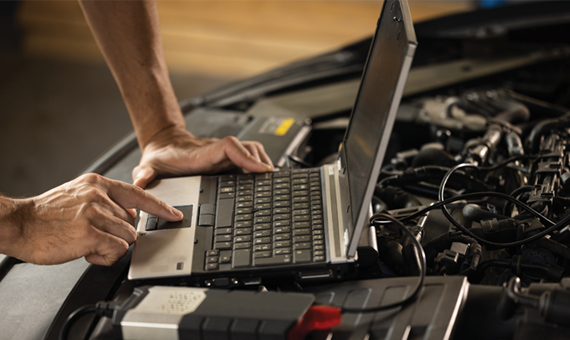
Vehicle Data Forensics: Black Box & Infotainment System Analysis
Modern vehicles store powerful digital vehicle evidence that helps reconstruct crashes, clarify liability, and validate driver behavior. Vehicle data forensics focuses on two primary sources: vehicle infotainment systems and event data recorders (EDRs), commonly known as black boxes. When analyzed together, these systems provide a complete, defensible timeline of events for legal, insurance, and accident reconstruction investigations.
Infotainment System Forensics
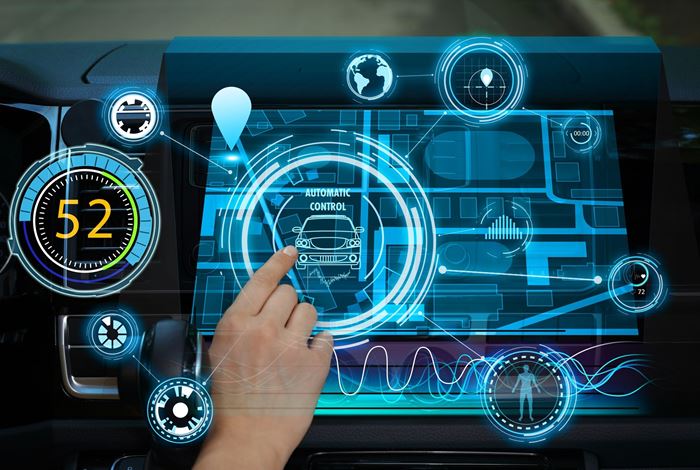
Vehicle infotainment systems capture long-term driver and vehicle activity. This vehicle infotainment data often includes GPS routes, paired mobile devices, call activity, telematics information, and vehicle usage history.
Infotainment data is commonly used to establish vehicle location, driver identity, and behavior leading up to and following an incident. It can support or refute distraction claims and provide critical context that crash-only data cannot, making vehicle infotainment forensics an important component of modern automotive investigations.
Black Box (EDR) Forensics
Event Data Recorders (EDRs) capture high-resolution pre-crash vehicle data immediately before, during, and after a crash. This information documents how the vehicle was operated at the moment of impact through objective electronic recording.
EDR data is essential for accident reconstruction and event data recorder (EDR) analysis, including speed, braking, steering input, throttle position, seatbelt usage, and crash severity. It delivers precise, second-by-second insight into what occurred during a trigger event and supports defensible forensic conclusions.
Why Infotainment and EDR Data Work Best Together
Infotainment systems explain where the vehicle was and what the driver was doing over time. EDR data explains how the crash occurred in the final seconds. Used together, these vehicle data forensics methodologies create a complete vehicle event timeline, strengthen forensic conclusions, and reduce reliance on conflicting witness statements in litigation or insurance claims.
Preserving Vehicle Data Matters
Vehicle data can be overwritten, corrupted, or lost if a vehicle is powered on or accessed after an incident. Early preservation is critical to maintaining data integrity and forensic value. Envista Forensics provides proper forensic collection, preservation, and analysis of vehicle digital evidence, including infotainment and EDR data, to ensure accurate, defensible results suitable for expert reporting and testimony.
Why Vehicle Data Forensics Is Critical in Modern Investigations
As vehicles become increasingly digital, automotive forensic analysis plays a growing role in determining liability and reconstructing complex incidents. Proper vehicle data forensics ensures that electronic evidence is collected using sound forensic methodology, preserved correctly, and interpreted accurately to withstand legal scrutiny.
Download Our Field Guide

Modern vehicles tell a story. This guide explains how infotainment systems and black box (EDR) data reveal driver behavior, crash dynamics, and critical evidence—and how to preserve it before it’s lost.